
Steve Norris
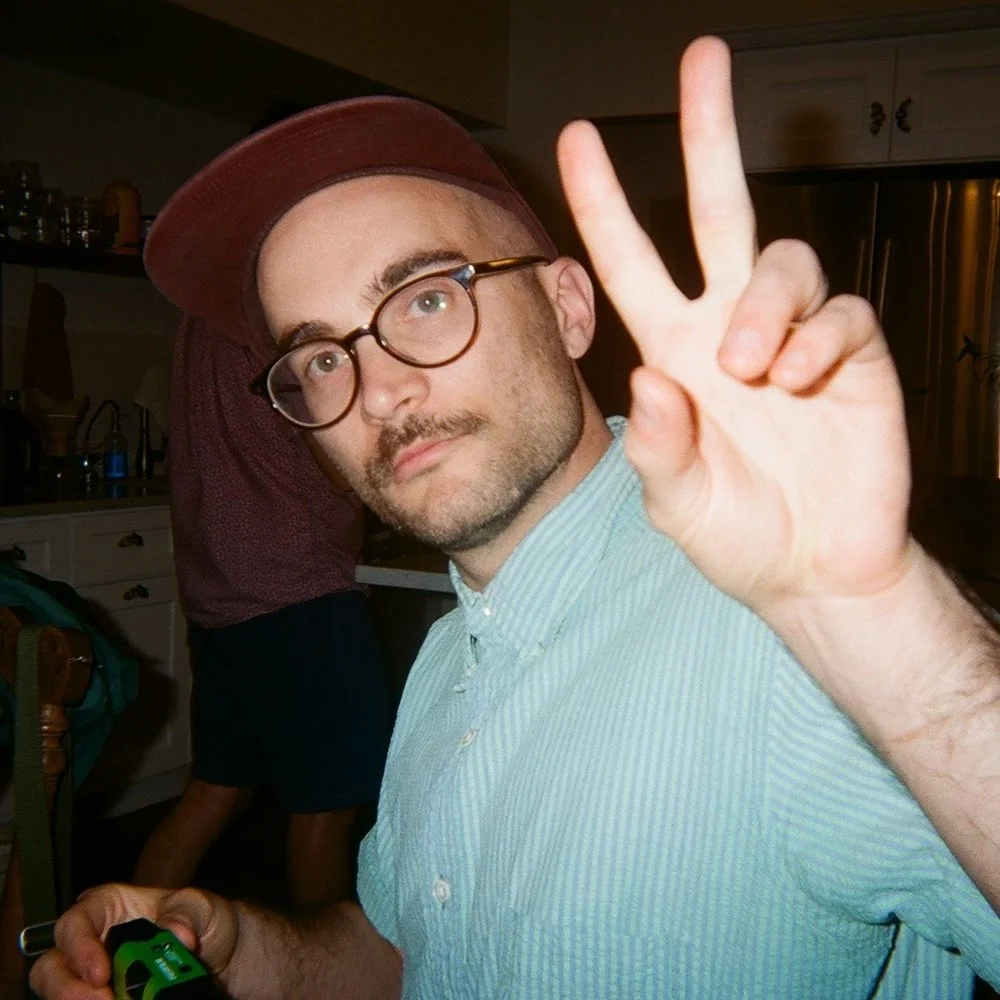
ORP: Do you write or create with an audience in mind? If so, how do you consider the relationship between that audience and your work throughout your creative process?
Steve Norris: When I start a story, I don’t think about audience. I try to chase whatever zany idea I have and let it have as much breathing room as possible. I bring in any consideration for audience while editing.
I like that Kurt Vonnegut advice about writing for just one person. My wife Amelia or my friend Sebi are usually the first readers, so generally I try to write something that will make them laugh and think. They’re both brilliant. I respect whatever takeaways they have, so writing for them forces me to up my game without losing the human touch.
If they like it, I’m happy.
ORP: Who do you consider to be your creative ancestors and contemporaries for your art and/or writing? How does your creative work converse with theirs?
SN: At the moment, I’m into Samanta Schweblin and Bud Smith. The Schweblin influence is probably most obvious in this story. I think I was reading the collection Mouthful of Birds when I wrote it.
I’ve become really taken with the “great art is theft” concept and that it’s very, very difficult to create anything truly original. So now I’m just trying to get great at my theft. I’m still not there, but it’s fun to wake up everyday and do a little figurative crime.
ORP: Does writing or creating energize or exhaust you? What aspects of your artistic process would you consider the most challenging or rewarding?
SN: I write almost every weekday in the morning before work. While I find waking up early extremely tiring, I find this ritual extremely energizing and fulfilling. The daily tiredness carries an inverted correlation with my longterm spiritual fulfillment. I’ve had periods of life where I was sleeping enough and not writing enough and that felt much more draining overall.
ORP: What is the most valuable piece of advice you’ve been given about writing or creating? What advice would you give to another writer or artist?
SN: I’m utterly unqualified to give advice so let me just say some advice that was given to me and the reader can take it or leave it. An early writing teacher told me something like, “You don’t always have to be writing. Some periods of life go by without writing. But you do have to be reading. If you’re not reading, you’re dying.”
I was a fool when I started out and thought that the majority of the writing process was the writing. Turns out it’s mostly revision and reading. Oh well.
ORP: How does writing/art influence your worldview, and how does your worldview shape your writing/art?
SN: My favorite part of writing is how it stretches time. Of course we can only live moment by moment with the self of right here/right now. Sitting writing this, it’s the Today Me putting these words down. But like many (most?) writers, I write in long stretches. I work on something for a few days and put it down for months or years, and when I come back to it, a New Me takes up the task of working on it. Then maybe that New Me puts it down and becomes the Old Me.
It’s a conversation between a hundred, a thousand different Steves. That dynamic leads to all sorts of surprises. I learn a lot about myself through the process (I think).