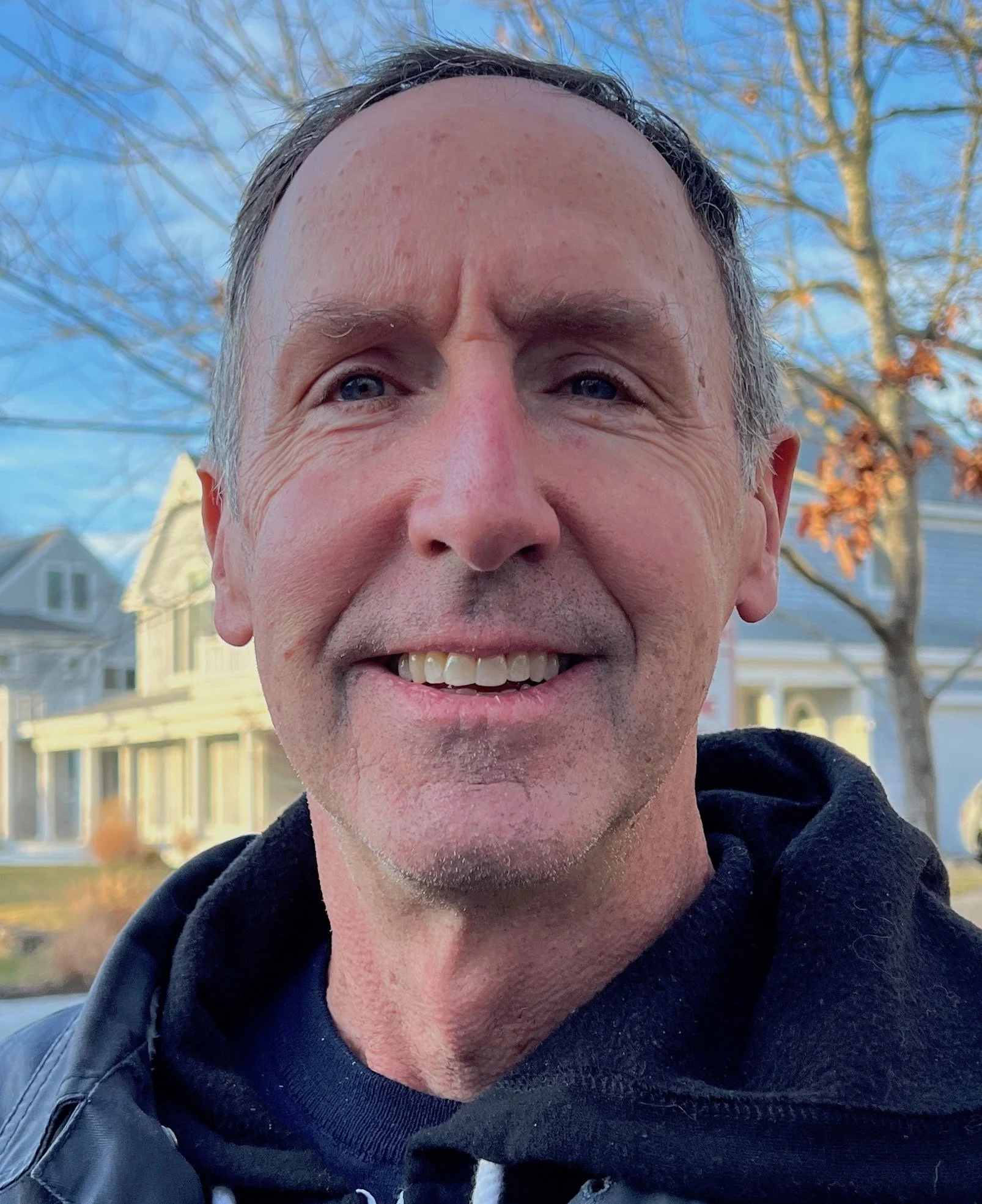
Paul Curley
ORP: Does writing or creating energize or exhaust you? What aspects of your artistic process would you consider the most challenging or rewarding?
Paul Curley: I enjoy expanding on one idea, maybe something isolated and quirky. I might have a great character, maybe an interesting setting, or one thing that just has to happen, but I can get bogged down when I can’t quite find the story. Once I make connections to other ideas and can see the story come together, I feel re-energized. When I’ve got the bones of a story, I love to flesh out the details and tinker with it. I enjoy writing the most when I’ve got about three stories at different stages of development, and I can jump between them.
ORP: What does vulnerability mean to you as an artist and/or writer?
PC: I feel most vulnerable when I know that the veil of fiction might be pierced. I sometimes mix snippets of actual events and people into my stories. When I know that friends and family, people that I care about, might recognize themselves, I feel especially vulnerable and protective of them. I hope that they will enjoy seeing some of our shared experiences in the story, and that I haven't broken their trust.
ORP: What would you say is your most interesting writing and/or artistic quirk? Do you have any habits that you believe help or hinder your creativity?
PC: One of my quirks is that I write best in public spaces like libraries and coffee shops. I am somewhat of an introvert who’s nearly always with people. That is true in my teaching job where I’m with groups of high schoolers most of the day. There was often a demand on my attention at home, too, especially when my children were younger. My wife used to encourage me to leave the house to write. It was my introverted, recharging time. Friends and family know it as "Paul time." Now my home is much quieter, but I still prefer to write in public. I rarely talk to anybody. I put in earbuds and am stimulated by the environment even as I try not to interact with it.
ORP: What is the most valuable piece of advice you’ve been given about writing or creating? What advice would you give to another writer or artist?
PC: One piece of advice that I received is to not judge your writing, especially at the start of a project when you’re getting your ideas out. Keep writing even when your story reads like an eighth grader wrote it. It will get better. Another thing is that I’ve learned to wait before I submit to magazines. When a story has gelled, I get excited and I have a tendency to call it finished before it really is. I’ve learned to set it aside for a bit. Without fail, I will think of ways to improve it.