
Tom Laichas
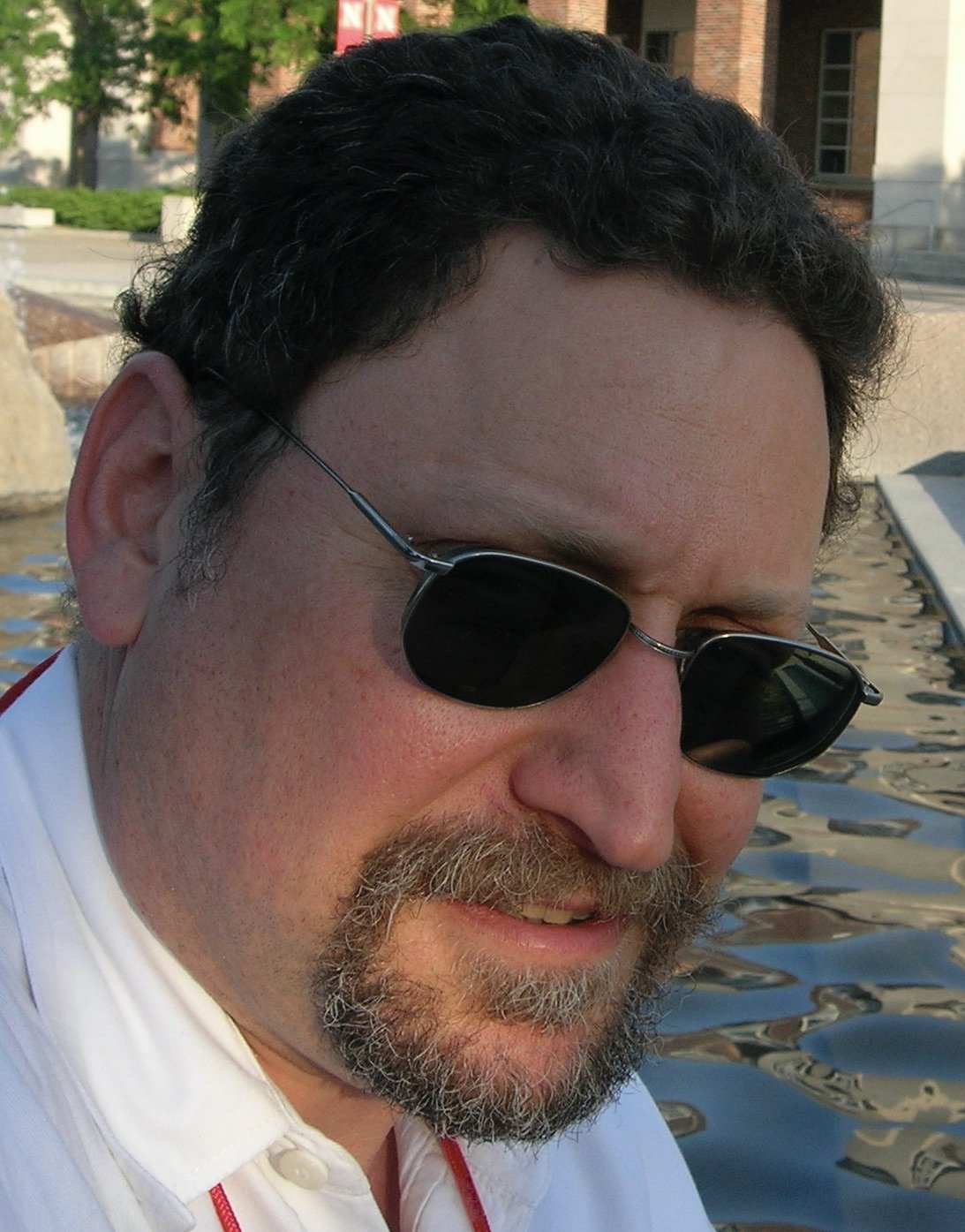
ORP: What inspired you to begin writing or creating? Has that source of inspiration changed throughout your life?
Tom Laichas: As a kid, I was obsessed with Lord of the Rings and (tried to) read everything Tolkien had read—Beowulf, the Icelandic and Norse sagas, the Iliad, the Niebelungenlied, etc. In the 70s, there wasn't much call for speaking Elvish, so at UCLA I studied history, politics, and theory. Fifty years later, I'm still writing fables, many of them open to political readings.
ORP: Who do you consider to be your creative ancestors and contemporaries for your art and/or writing? How does your creative work converse with theirs?
TL: My poetic and political sensibilities overlap, for instance, with Cavafy, Kafka, Dunya Mikhail, Carolyn Forché, and Czeslaw Milosz. I return to them frequently. There are a number of films which feed me every time I see them—I'm thinking particularly of Wim Wenders' Wings of Desire, Gillo Pontecorvo's Battle of Algiers, and Emir Kusturica's Underground.
ORP: Does writing or creating energize or exhaust you? What aspects of your artistic process would you consider the most challenging or rewarding?
TL: I belong to a writing accountability group. We send our work to one another without expecting praise, criticism, or even acknowledgement of receipt. What we *do* expect, is that we'll share new or revised work every day. So my responsibility is to write daily. Whether I'm energized or exhausted doesn't figure into it. That said, revision is challenging; finished work is rewarding.
ORP: Do you know more than one language? How does this influence your art and/or writing?
TL: I know only English. That means I've rely on translation. Because I don't have fluency in another language, I've learned, particularly when reading a writer for the first time, to seek out multiple translations. That habit has made me much more conscious of word choice, syntax, form, sound, and the trade-offs among them. (No surprise that I am partial to Eliot Weinberger's Nineteen Ways of Looking at Wang Wei). There is, I think, a "translator's English" embedded in my style, a preference for a prose line and for an older syntactic formalism.
ORP: What books have you read many times?
TL: Recently, in no order: Willy Ley and Chester Bonestell, The Conquest of Space; Ngugi Wa Thiong'o, Devil on the Cross; James Scott, Seeing Like a State; Joe Sacco, Safe Area Gorazde; Larry Levis, Swirl & Vortex; Warsan Shire, Teaching My Mother How to Give Birth; Dunya Mikhaiel; The War Works Hard. I read history, politics, religion, and science as well fiction and poetry. I generally read a book twice: once for sound & sense, second to engage it in my journal.