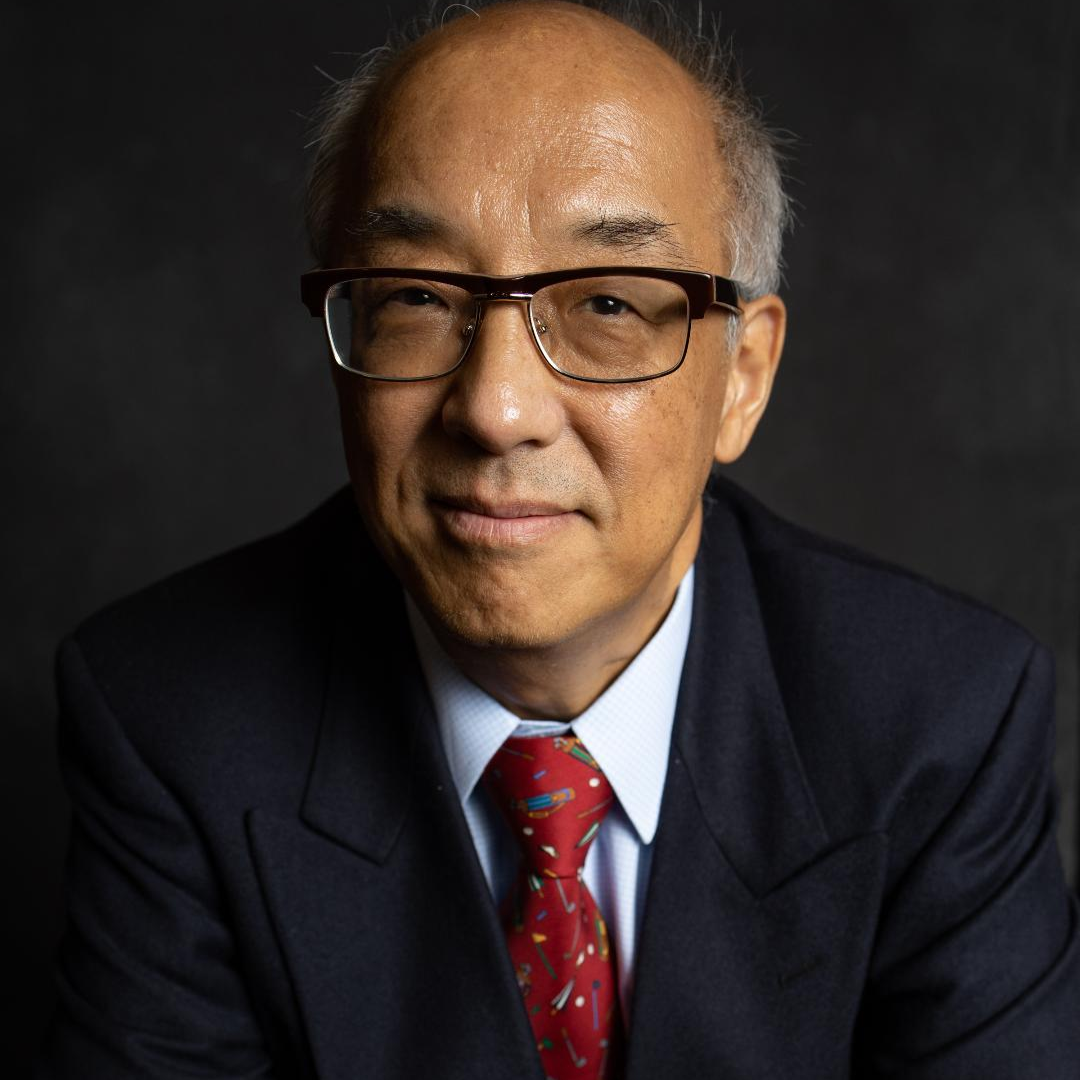
David Anson Lee
ORP: What inspired you to begin writing or creating? Has that source of inspiration changed throughout your life?
David Anson Lee: I began writing because medicine taught me how much can remain hidden inside a person even when the body is carefully examined. Poetry gave me another instrument of attention: one less interested in diagnosis than in mystery. Earlier, I wrote to understand experience; now I write to remain open to what I do not yet understand. The source has shifted from explanation toward wonder.
ORP: What does success as a writer or artist mean to you?
DAL: Success is not primarily publication, recognition, or the accumulation of credits. It is making something sufficiently honest and alive that another person encounters it and feels less alone, or sees something familiar from an unfamiliar angle. A successful poem should continue working after the reader has finished it. If it changes the temperature of someone's silence, even briefly, I consider that success.
ORP: Does writing or creating energize or exhaust you? What aspects of your artistic process would you consider the most challenging or rewarding?
DAL: Writing does both. The first draft can feel like excavation: exhilarating, messy, occasionally dangerous. Revision is where the real work begins. My greatest challenge is knowing what to remove. As a physician, I was trained to gather information; as a poet, I have had to learn that sometimes the most important thing is the detail left unsaid. The reward is discovering the one image that makes the entire poem necessary.
ORP: What is the most valuable piece of advice you’ve been given about writing or creating? What advice would you give to another writer or artist?
DAL: The best advice I have received is simple: pay attention. I would add: distrust the first explanation. Stay with the image, the troubling question, the strange detail that refuses to behave. Write beyond what you already know. Revision is not merely polishing what you meant to say; sometimes it is discovering what you actually meant.
ORP: How does writing/art influence your worldview, and how does your worldview shape your writing/art?
DAL: Writing has made me suspicious of easy boundaries: between illness and health, silence and speech, individual and community, memory and history. My worldview enters a poem through questions rather than conclusions. I am interested in what happens when a body, a culture, or a person is told that it does not belong, and in the stubborn ways people continue to make meaning anyway. Poetry reminds me that survival is not the same thing as surrender.
