
Diane Melby
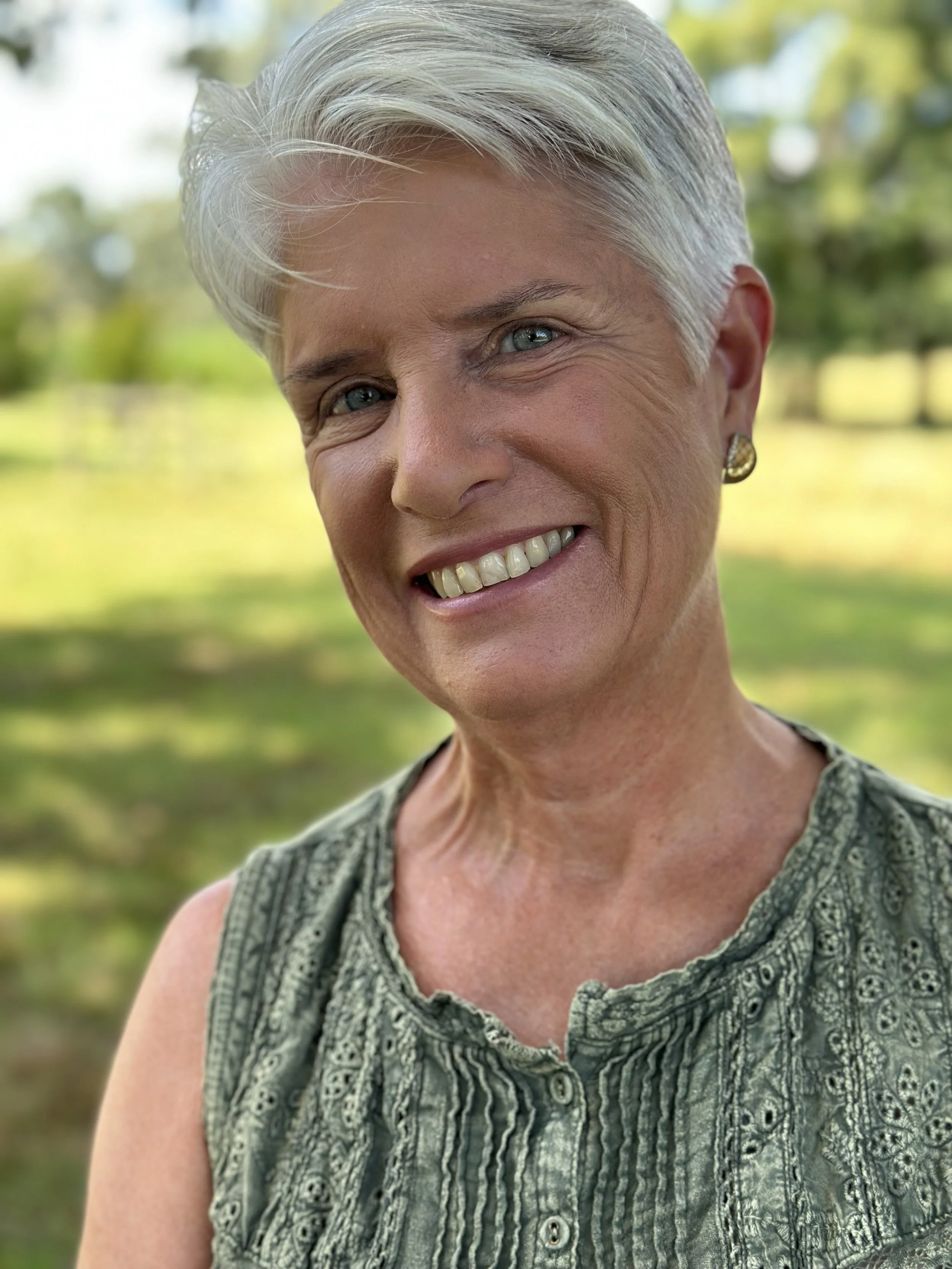
ORP: What inspired you to begin writing or creating? Has that source of inspiration changed throughout your life?
Diane Melby: I am a quiet person, taught from a young age to be silent, be still. Paper and pen provides the conduit through which I connect with the external. Recently, I was gifted a set of watercolors and a flower pressing kit. I hope that as I develop in these artforms, my poetry evolves in surprising ways.
ORP: Do you write or create with an audience in mind? If so, how do you consider the relationship between that audience and your work throughout your creative process?
DM: I feel compelled to destroy 50 years of journals before I exit this world. While my poems often find their beginnings in the raw emotions preserved in old journal entries, I write poetry with my children and grandchildren in mind. I want to give voice to their ancestral heritage; that through my writings they learn from the long line of women to whom they owe their existence.
ORP: Does writing or creating energize or exhaust you? What aspects of your artistic process would you consider the most challenging or rewarding?
DM: Writing consumes me, gives me energy when a poem reaches a place where it resonates with my intention. I particularly love the editing process, often moving through 15 versions before I allow a poem to rest. And while I have many published poems, I still do not have a poem that I can call 'finished,' for most assuredly, the next time I sit with a poem, I will make a change.
ORP: What books have you read many times?
DM: My introduction to the practice of deep reading poetry was through Jack Gilbert's Collected Poems. I ordered the book after reading one of his poems and took it with me on vacation and read the entire book sequentially, finding inspiration in the evolution of his writing. I return to the book often, especially when I need to be reminded that my writing too will evolve. Other poets to whose books I regularly return include the collected works of Langston Hughes and Nikki Giovanni; as well as works by Ada Limon and Ted Kooser.